For parents, dropping a child off at child care can come with a lot of questions.
What will my child do all day? Will they have time to play? Will they learn? Will they get enough rest? Will they feel comfortable with their teachers?
A great day at child care isn’t necessarily about packing every minute with activities. Young children need a balance of learning, play, movement, rest, exploration, and positive relationships.
The exact routine will vary depending on a child’s age and the individual child care program. But when you’re evaluating a center, looking at what happens throughout the day can tell you a lot about the experience your child will have
A Balance of Learning and Play
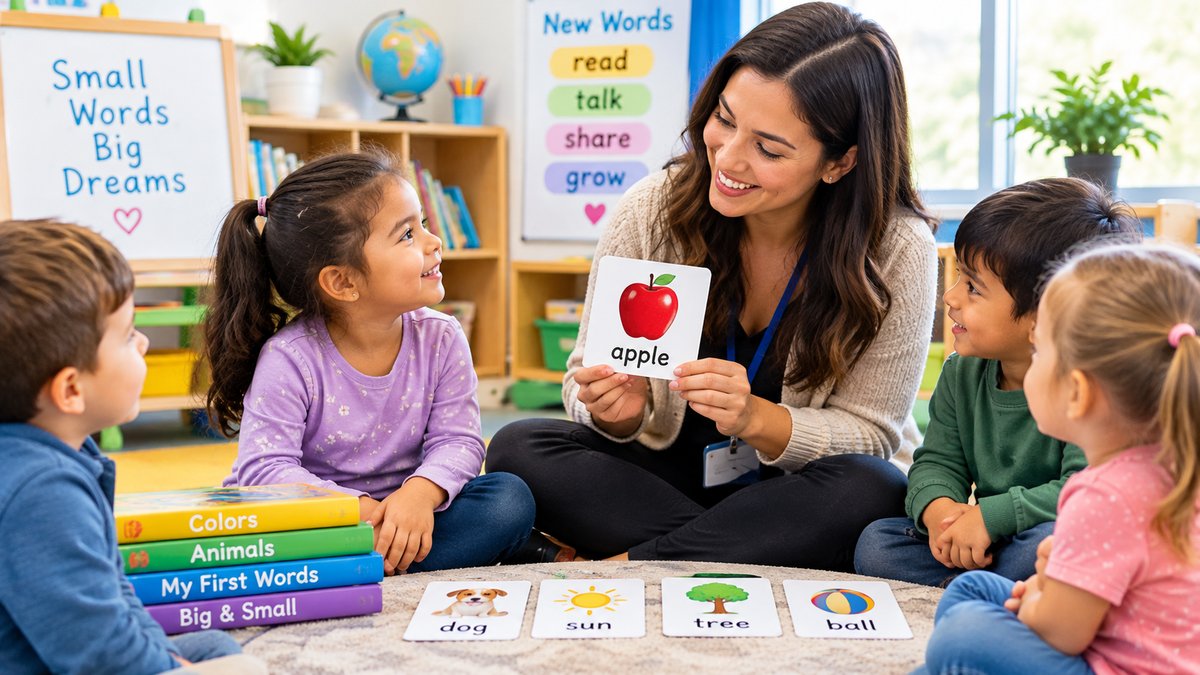
Children learn through much more than worksheets or structured lessons.
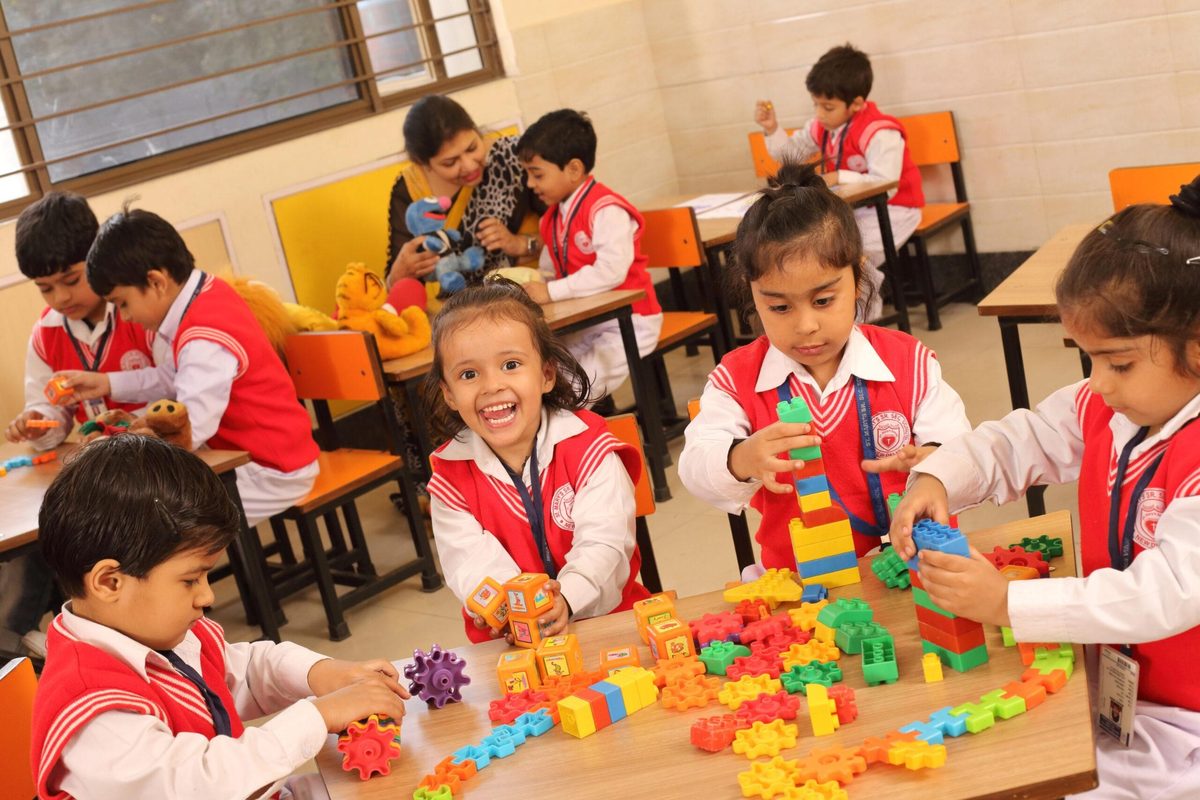
Reading a story, building with blocks, creating art, exploring outdoors, singing a song, or playing with friends can all become opportunities for learning.
The Small World marketing approach emphasizes showing real classroom experiences such as art, reading, outdoor play, sensory activities, projects, and teacher interaction because these everyday moments help families understand what life at the center actually looks like.
A strong daily experience gives children opportunities to be curious, make choices, try new things, and learn through hands-on experiences.
Time to Explore and Be Creative
Children need opportunities to explore the world around them.
That might look like:
1. Creating an art project
2. Exploring a sensory activity
3. Looking at books
4. Building and constructing
5. Playing pretend
6. Exploring outdoors
7. Singing and moving
8. Participating in a classroom project
These activities don’t have to look complicated to be meaningful.
Sometimes, a simple activity can give a child the chance to practice communication, problem-solving, coordination, creativity, and social skills all at once.
Positive Relationships Matter
A child’s experience at child care isn’t just about what activities are on the schedule.
The people matter, too.
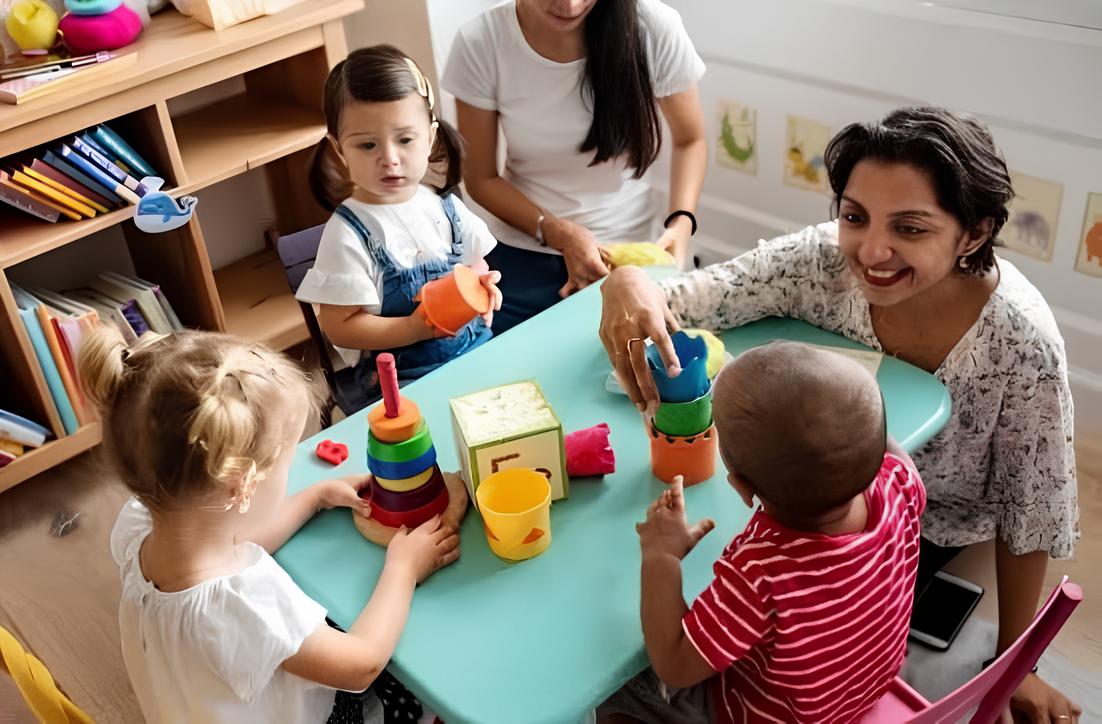
Children benefit from having caring adults who interact with them, listen to them, encourage them, and help them navigate everyday experiences.
Parents can learn a lot by observing how teachers communicate with children.
Do teachers get down to the child’s level?
Do they listen when children have something to say?
Do they encourage children to try things independently?
Do they help children work through conflicts?
These everyday interactions can be an important part of a child’s experience.
There Should Be Time for Movement—and Rest
Young children aren’t designed to sit still all day.
A well-rounded child care day can include opportunities for movement and active play alongside quieter activities.
Depending on the child’s age and the program’s routine, the day may include opportunities for:
1. Outdoor play
2. Gross motor activities
3. Music and movement
4. Quiet reading
5. Rest or nap time
6. Calm classroom activities
The balance will look different for an infant than it does for a preschooler or school-age child.
That’s why parents should ask about the daily routine for the specific age group their child will be joining.
Mealtimes and Everyday Routines Are Part of the Day, Too
Some of the most ordinary moments can become learning opportunities.
Mealtime, cleanup, getting ready to go outside, washing hands, putting materials away, and transitioning from one activity to another can help children practice routines and independence.
When visiting a child care center, ask how everyday routines are handled and what the day typically looks like for your child’s age group.
Communication With Families Matters
A great child care experience doesn’t stop when parents walk out the door.
Parents want to know how their child’s day went and have a way to communicate questions or concerns with their child’s caregivers.
When touring a center, ask how teachers and families communicate.
You might ask:
1. How will I receive updates about my child’s day?
2. How are questions or concerns handled?
3. How does the center communicate important information to families?
4. Will I have opportunities to talk with my child’s teachers?
Clear, respectful communication can help parents feel more connected to their child’s experience.
What Should Parents Look For During a Tour?
Instead of focusing only on the toys, classrooms, or decorations, take a moment to watch what is actually happening.
Look for:
Children who are engaged.
Are children participating, exploring, playing, or interacting?
Teachers who are present.
Are teachers actively engaging with children rather than simply supervising from a distance?
A variety of activities.
Does the environment provide opportunities for both active and quiet experiences?
Age-appropriate routines.
Does the schedule appear appropriate for the children’s developmental stages?
A welcoming environment.
Do you feel comfortable asking questions and learning more about the program?
The goal isn’t to find a day that looks perfect from the outside. It’s to understand whether the environment feels like a place where your child can be cared for, supported, and given opportunities to learn and explore.
Every Child’s Day Will Look a Little Different
One of the most important things for parents to remember is that there isn’t one perfect child care schedule.
An infant’s day will naturally look different from a preschooler’s. A child’s personality, age, interests, and individual needs can also influence how they experience the day.
That’s why asking questions and touring a center can be so valuable.
Rather than asking, “Is this the perfect program?”, consider asking:
“Does this environment seem like a good fit for my child and our family?”
See What Child Care at Small World Looks Like
At Small World Child Care Centers, the goal of the marketing program is to give families a genuine picture of center life—not simply a list of services. The recommended content focuses on real classroom experiences, teacher interaction, activities, routines, and helpful information for parents.
If you’re considering child care, take the time to learn about the program that fits your child’s age and your family’s needs.
Want to learn more about Small World Child Care Centers?
Visit the appropriate location page or contact the center to learn more and schedule a tour.