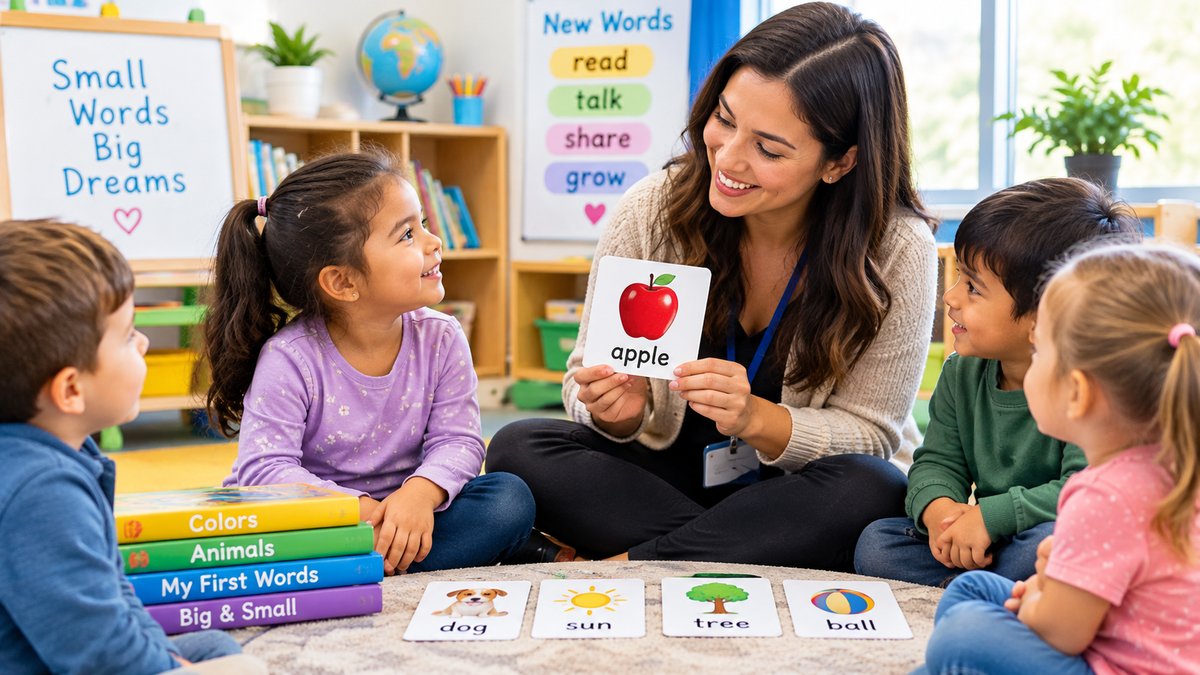
Have you ever noticed your child learning a new word and suddenly using it everywhere? Maybe they learn the word “enormous” and start describing everything as enormous, or they discover the word “because” and begin explaining every little thing that happens throughout the day.
These little moments are exciting! They’re also a reminder that children are constantly learning how to communicate, express their thoughts, and make sense of the world around them.
Language development begins long before children can speak in complete sentences. Babies listen to familiar voices, toddlers begin connecting words with objects and actions, and preschoolers gradually learn to tell stories, ask questions, and explain their ideas. Every conversation, song, story, and playful interaction can give children another opportunity to practice.
At Small World Child Care Centers, supporting children’s early learning means recognizing the importance of communication in their everyday experiences. But what does building language and vocabulary actually look like, and how can parents encourage these skills at home?
Let’s explore some simple, meaningful ways young children can develop their language skills through everyday interactions.
Everyday Conversations Help Children Learn New Words
Some of the most valuable language-learning opportunities happen during ordinary conversations.
When adults talk with children about what they are doing, seeing, hearing, and feeling, they introduce new words in ways that are connected to real experiences. Instead of simply asking a child to memorize a word, they help the child understand what it means and how to use it.
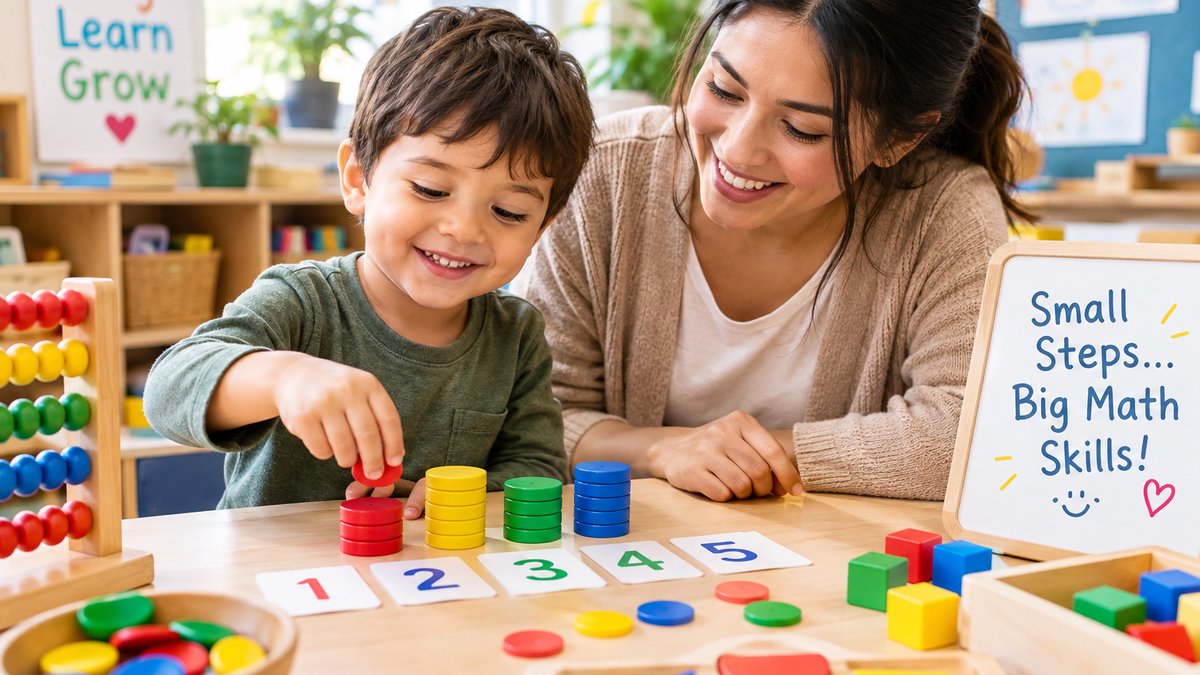
For example, imagine a child playing with a set of blocks. An adult might say, “You’re building a tall tower!” or “That block is balancing on top of the other one.” These simple comments introduce words such as tower, balancing, and top while connecting them to something the child can see.
Everyday routines offer similar opportunities. During snack time, children may hear words describing taste, texture, color, and size. While getting ready to go outside, they may hear words related to clothing, weather, and movement.
The more children hear meaningful language in different situations, the more opportunities they have to connect words with their meanings.
How parents can try this at home:
Talk about what you and your child are doing throughout the day. While preparing a meal, describe the ingredients. During a walk, talk about the things you see. While playing with toys, introduce words that describe actions, shapes, sizes, and textures.
Reading Together Builds Vocabulary and Imagination
Reading together is one of the simplest ways to introduce children to new words, ideas, and experiences.
Picture books often contain words and descriptions that children may not encounter in everyday conversation. A story might introduce an unfamiliar animal, describe a character’s feelings, or explain what happens during an adventure.
As children listen, they begin connecting words with pictures, actions, and events. Over time, reading can also help them become familiar with how stories are organized, how characters communicate, and how events connect.
And here’s the best part: You don’t have to read every word perfectly or finish an entire book in one sitting.
For younger children, pointing to pictures and naming familiar objects can be a wonderful place to start. As children grow, you can ask questions about the story, talk about what a character might be feeling, or encourage your child to guess what could happen next.
For example, if a character looks surprised, you might ask, “What do you think surprised them?” This gives your child a chance to practice describing emotions and explaining their ideas.
How parents can try this at home:
Set aside a few minutes for story time whenever it works for your family. Let your child choose a favorite book, even if they want to hear the same story again and again.
Pause to talk about the pictures, explain unfamiliar words, and connect the story to experiences your child already understands. If your child wants to tell part of the story themselves, give them a chance!
Reading together isn’t about rushing through pages. It’s about sharing an experience and giving children opportunities to listen, talk, imagine, and learn.
Songs, Rhymes, and Fingerplays Make Language Fun
Have you ever noticed how easily children remember the words to a favorite song? Music and rhymes can make language enjoyable because they combine words with rhythm, repetition, movement, and sound.
Songs often repeat familiar phrases, giving children opportunities to hear and practice the same words several times. Rhyming games also help children notice similarities between sounds, while fingerplays can connect words with actions.
For example, a simple song about animals might introduce the names of different animals and the sounds they make. A movement song can introduce action words such as jump, clap, stretch, and turn.
These activities can also encourage children to participate even before they can say every word. They might clap along, make a familiar sound, complete the last word of a song, or imitate a movement.
Language learning doesn’t always have to happen through sitting and listening. Sometimes, moving, singing, and laughing together make the experience even more engaging.
How parents can try this at home:
Sing familiar nursery rhymes during playtime, while getting ready for bed, or during a quiet moment together. Try simple rhyming games or make up a silly song about your child’s favorite toys.
You can also pause before the last word of a familiar song and let your child fill in the blank if they want to participate.
Keep it relaxed and fun. The goal is to give children enjoyable opportunities to hear sounds, recognize words, and practice communicating.
Play Encourages Children to Talk, Imagine, and Express Ideas
Play creates opportunities for children to use language in meaningful ways.
When children pretend to cook a meal, care for a doll, run a store, or take their toys on an adventure, they can practice using words to describe what is happening. They may give instructions, ask questions, explain their plans, or create conversations between characters.
Pretend play can introduce vocabulary connected to everyday roles and experiences. A child playing restaurant might use words such as menu, order, and serve. A child building with blocks might talk about tall, short, behind, or beside.
Play also gives children opportunities to experiment with language without needing to get everything right. They can try out new words, repeat phrases they’ve heard, and express ideas in their own way.
When adults join in thoughtfully, they can help extend these conversations without taking over the activity.
For example, if your child pretends to be a shopkeeper, you might ask, “What would you recommend today?” or “How much does this cost?” Your child now has an opportunity to respond, explain, and continue the pretend scenario.
How parents can try this at home:
Follow your child’s interests and join their play when invited. Ask questions, introduce a few new words, and give your child time to respond.
If your child is building a pretend house, you could talk about the different rooms, describe where objects belong, or ask what happens next in their story.
You don’t need an elaborate setup. Everyday toys, household objects, and your child’s imagination can provide plenty of opportunities for conversation.
Listening Is Just as Important as Speaking
When we think about language development, we often focus on the words children say. But listening and understanding are important parts of communication, too.
Before children can consistently use new words themselves, they need opportunities to hear language and begin understanding what it means. They also need time to process what others say, respond to questions, and participate in back-and-forth interactions.
For young children, this may look like following a simple direction, responding to their name, pointing to a familiar object, or listening to a short story.
As their communication skills develop, children may begin following more detailed conversations, answering questions about experiences, and explaining their thoughts.
One helpful way adults can support these skills is by giving children their attention during conversations.
When your child is talking, pause when possible, listen to what they are trying to communicate, and respond thoughtfully. Try not to rush to fill every silence. Sometimes children need a little extra time to find the words they want to use.
How parents can try this at home:
Give your child opportunities to tell you about their day, describe something they noticed, or explain what they are playing.
Ask questions that invite more than a yes-or-no answer, such as, “What was your favorite part?” or “Can you tell me more about that?”
You can also model active listening by responding to your child’s ideas and asking follow-up questions. These everyday conversations help children experience communication as a two-way exchange.
Asking Questions Helps Children Develop Their Own Words
Children are naturally curious. They want to know why the sky changes color, where the birds are going, how toys work, and what happens next in a story.
Their questions are opportunities to explore new vocabulary and practice expressing ideas. And when adults ask thoughtful questions in return, they encourage children to observe, think, and communicate.
Instead of always asking questions that have one obvious answer, try inviting your child to describe, explain, or imagine.
For example, while looking at a picture book, you might ask, “What do you think the character is feeling?” During outdoor play, you could ask, “What do you notice about these leaves?” While building something together, try, “What should we add next?”
These conversations introduce descriptive words and give children opportunities to explain their reasoning.
It’s also perfectly fine if your child doesn’t know an answer. You can explore the question together, offer a few ideas, or simply talk about what you both notice.
How parents can try this at home:
Choose one ordinary moment each day to slow down and talk with your child. Look at a picture, explore an interesting object, or discuss something you experienced together.
Give your child time to answer, listen to their response, and build on what they say. If they use a short phrase, you can gently expand it.
For example, if your child says, “Big dog,” you might respond, “Yes, that’s a big, fluffy dog!” This introduces additional descriptive language without making the child feel corrected.
Helping Children Express Their Feelings Through Words
Language is about more than naming objects and learning new vocabulary. It also helps children communicate their needs, describe experiences, and express their feelings.
Young children may not always know how to explain what they are experiencing. They might feel frustrated when a toy doesn’t work, upset when it’s time to stop playing, or excited about something they can’t wait to share.
Adults can help by giving children simple words to describe these experiences.
For example, you might say, “You look frustrated because the blocks keep falling,” or “You’re excited to see your friend!” Naming emotions can help children connect words with feelings and begin practicing how to communicate them.
As children develop their language skills, they may find it easier to tell adults what they need, explain what happened, or ask for help.
This doesn’t mean children will always be able to express their feelings calmly or clearly. Learning to communicate emotions takes time, patience, and practice.
How parents can try this at home:
Talk about feelings during everyday situations and while reading stories together. Use simple, age-appropriate words such as happy, sad, worried, excited, and frustrated.
You can also model phrases your child might use, such as “I need help,” “Can I have a turn?” or “I don’t like that.”
Give your child opportunities to practice these phrases during calm moments, too. Over time, familiar words can become useful tools for communicating needs and feelings.
Every Child Develops Language at Their Own Pace
Children don’t all learn to communicate in exactly the same way or at the same speed.
Some children enjoy talking and asking questions, while others spend more time observing before joining a conversation. Some communicate with gestures, sounds, or short phrases before gradually using longer sentences.
Their age, experiences, environment, and individual development all influence how their language skills emerge.
What adults can do is provide regular opportunities for children to hear language, express themselves, and interact with others in ways that are appropriate for their developmental stage.
It’s also important to remember that children who are learning more than one language may use words from different languages as part of their communication. Families can continue speaking the languages they are most comfortable using, sharing stories, and having meaningful conversations.
If you have concerns about your child’s speech, language comprehension, or communication milestones, consider discussing them with your child’s pediatrician or a qualified speech-language professional. They can help determine whether additional support or an evaluation would be beneficial.
The goal isn’t to compare children or pressure them to speak before they are ready. It’s to create a supportive environment where communication is encouraged and children have opportunities to keep learning.
How Small World Child Care Centers Fits Into Your Child’s Language Journey
Children have opportunities to encounter language throughout their day, from conversations with adults to interactions with other children and experiences with books, songs, and play.
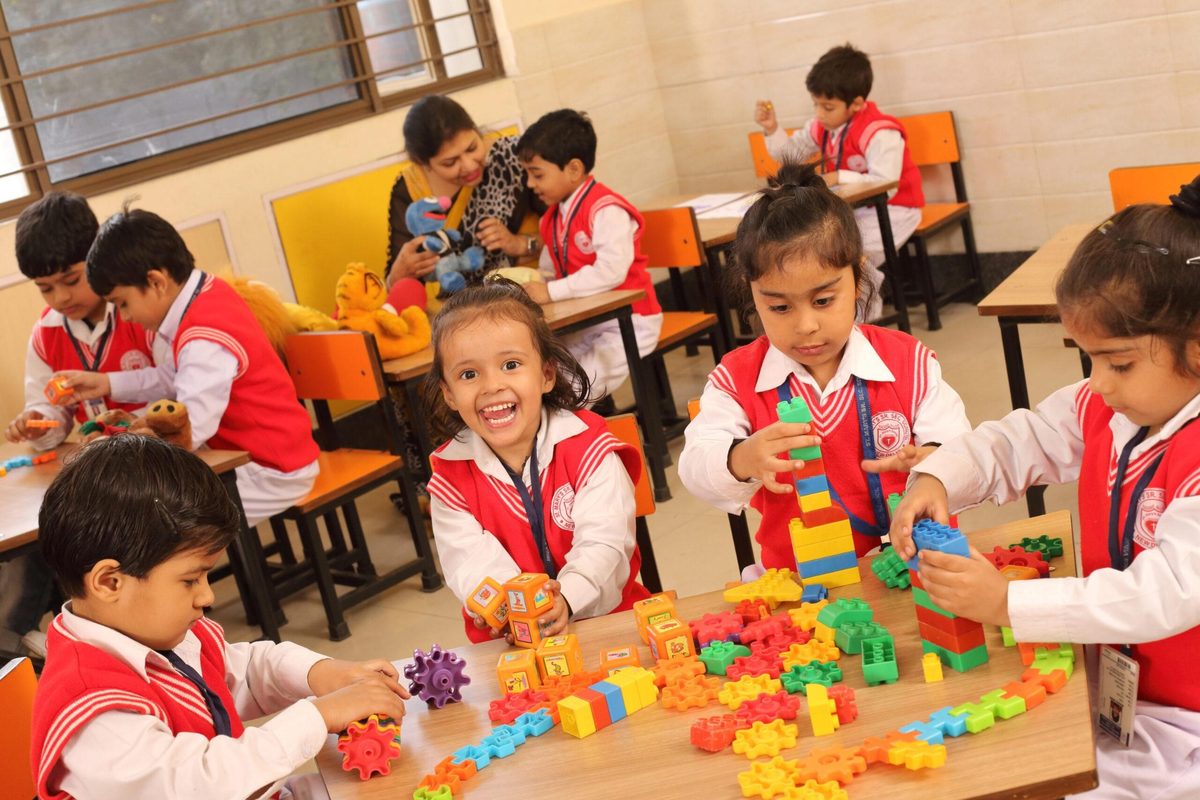
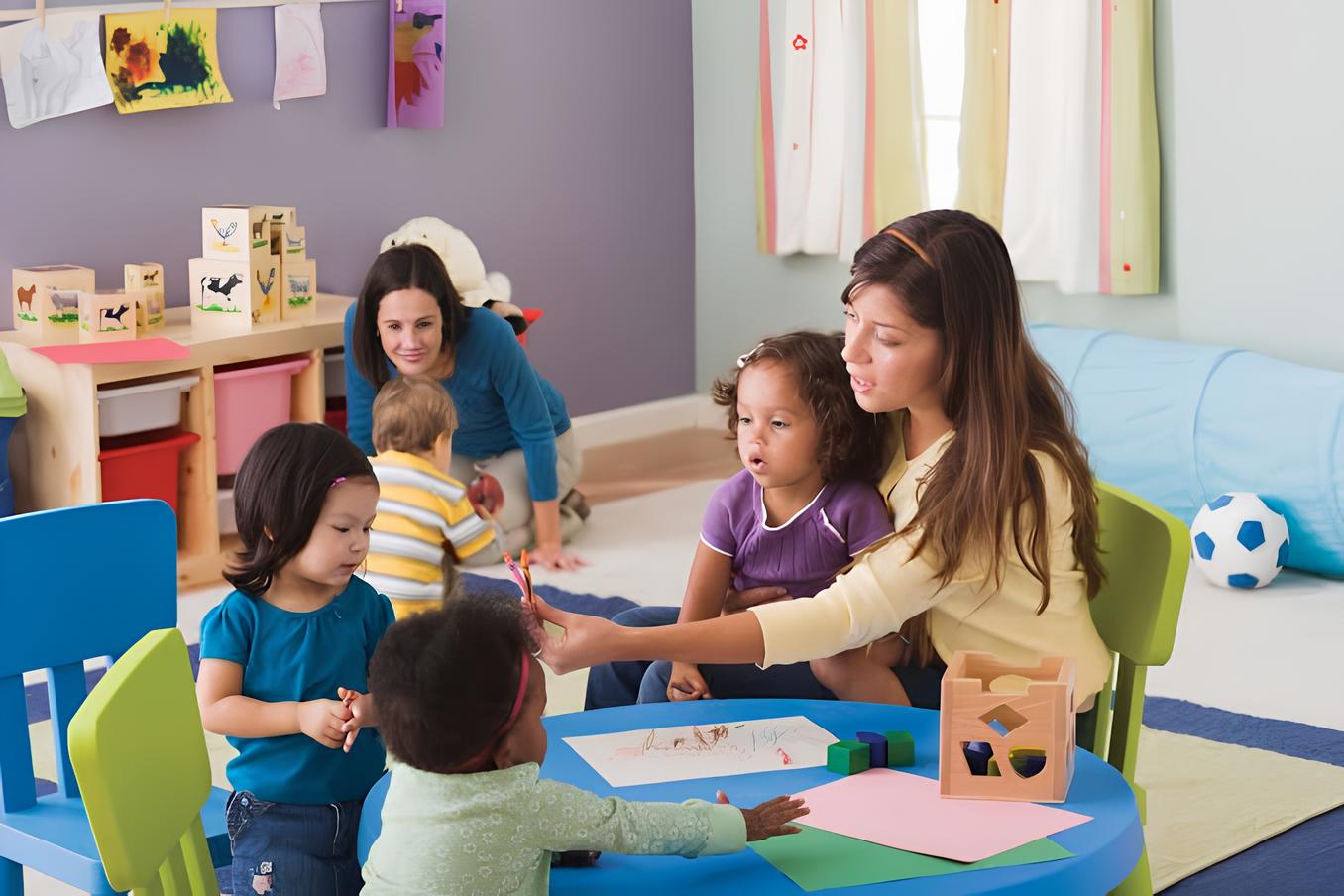
A child care environment can provide additional opportunities to listen, communicate, ask questions, and practice using words in different situations. Talking with others, participating in group experiences, and exploring new activities can all create meaningful reasons for children to communicate.
At Small World Child Care Centers, we want families to understand the important role everyday experiences can play in early learning. Language development is one part of a child’s growth, and the small moments that encourage curiosity and communication deserve attention.
Before publishing, confirm which language-building activities are currently used at your Small World location so this section accurately reflects the center’s real classroom experiences. A specific example from a teacher, classroom activity, or book-reading moment would make this section even more personal and meaningful to families.
Small Conversations Today Can Support Big Discoveries Tomorrow
Helping children develop language and vocabulary doesn’t require complicated lessons or a perfect schedule. It can begin with reading a favorite book, singing a familiar song, talking about a toy, or listening carefully when your child wants to share something.
Every conversation gives children another opportunity to hear words, explore their meanings, and practice expressing themselves. Some days, your child might ask a dozen questions. Other days, they might prefer to listen and observe. Both can be part of their learning journey.
The important thing is to keep creating opportunities for connection, curiosity, and communication.
Interested in learning more about Small World Child Care Centers? Contact your preferred location to ask about available programs and schedule a tour. We’d love for you to learn more about the environment and experiences available to your family.