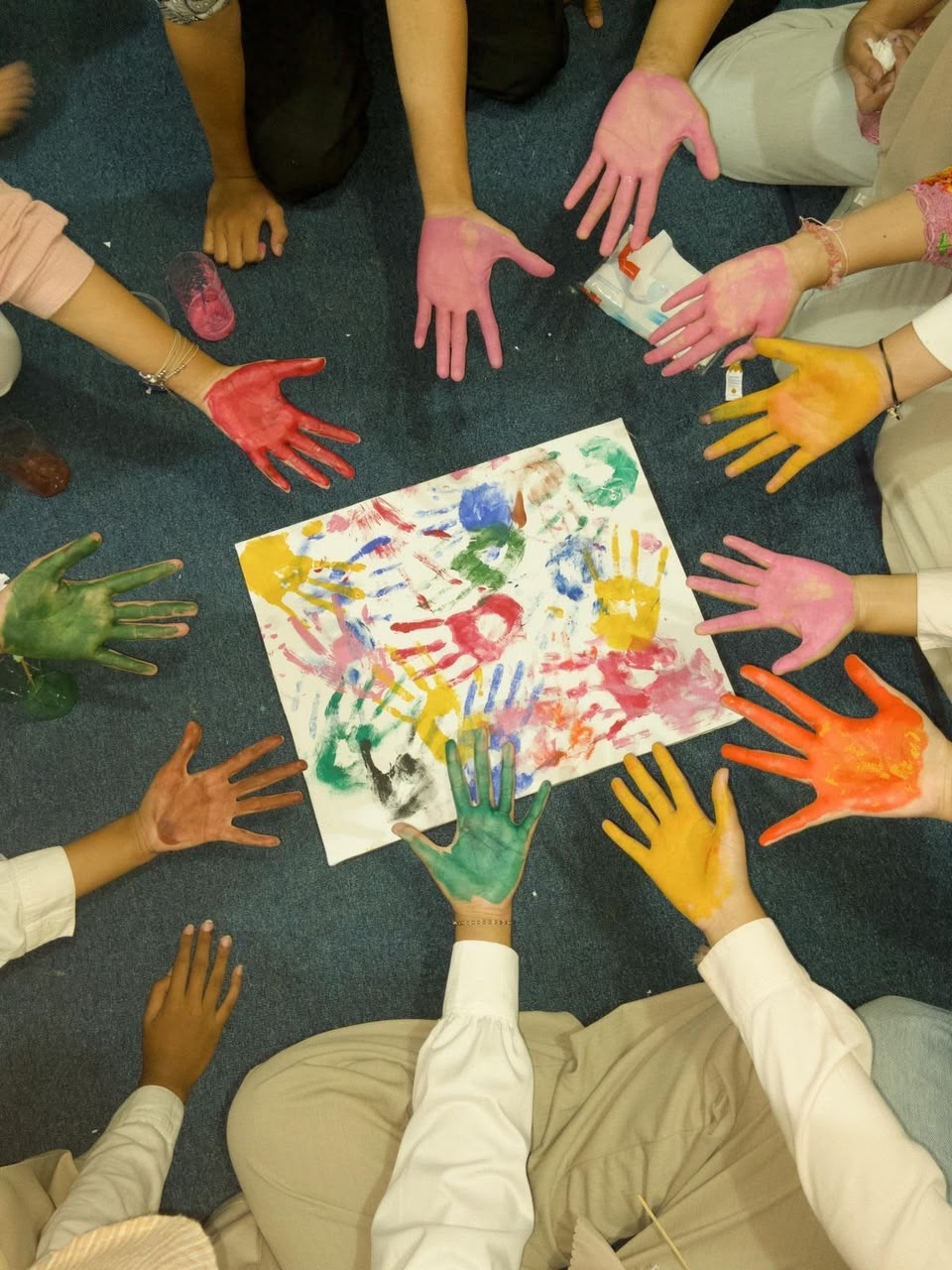
If you’ve ever watched a child stack blocks, pretend to run a restaurant, or dig through a sensory bin and wondered whether that counts as “real” learning – the answer is yes. Play isn’t a break from learning for young children. For most of early childhood, it is the learning.
What “Learning Through Play” Actually Means
Learning through play simply means children build skills – thinking, language, movement, and social skills – through hands-on exploration they’re actually interested in, instead of only through worksheets or lectures. A toddler figuring out which block goes on top without toppling the tower is doing real problem-solving. A preschooler negotiating who gets to be the “doctor” in pretend play is practicing language and cooperation at the same time.
Blocks and Building: Problem-Solving and Persistence
Stacking, balancing, and rebuilding teaches children to test ideas, notice what doesn’t work, and try again. That kind of persistence – trying, failing, and trying differently – is a skill that carries well beyond the block corner.
Pretend Play: Language, Imagination, and Turn-Taking
When children play house, run a pretend store, or act out a story, they’re practicing vocabulary, sequencing events, and taking turns in a conversation – all while having fun with friends.
Art: Creativity and Hand Control
Painting, cutting, and drawing build the small hand muscles children will later use for writing, while also giving them a way to express ideas they don’t have the words for yet.
Outdoor Play: Movement, Exploration, and Connection
Running, climbing, and exploring outside builds strength and coordination, and it naturally puts children side-by-side with peers – a great low-pressure setting for making friends.
Books and Songs: Vocabulary and Listening
Reading aloud and singing together build vocabulary and listening skills, and repetition – the same favorite book for the tenth time – is exactly how young children learn.
How Our Teachers Extend the Play
A teacher’s role isn’t to interrupt play with lessons – it’s to gently extend it. Asking “what do you think will happen if…?” or adding a new material to a favorite activity turns play into a deeper learning moment, without the child ever feeling like it stopped being fun.