
There is a quiet magic in watching a young child say, “I can do it myself.”
That small sentence carries the seed of confidence, curiosity, and resilience.
Independence in early childhood doesn’t appear overnight. It grows slowly—like a garden—nurtured by patience, gentle guidance, and opportunities to try. When children learn to do things on their own, they don’t just gain skills; they build a sense of capability that shapes how they face the world.
Let’s explore practical ways parents and caregivers can help young children develop independence while still feeling supported and safe.
Why Independence Matters in Early Childhood
Independence isn’t about leaving children to fend for themselves. It’s about giving them space to practice life skills while knowing someone is nearby to help if needed.
When children are encouraged to do things on their own, they develop:
1. Confidence in their abilities
2. Problem-solving skills
3. Responsibility for their actions and belongings
4. Decision-making skills
5. Persistence when facing challenges
Children who feel capable often become more motivated learners. Instead of waiting for help, they explore, experiment, and try again.
Start with Small Responsibilities
Independence grows through everyday moments. Simple tasks can make children feel capable and included.
Young children can begin with small responsibilities such as:
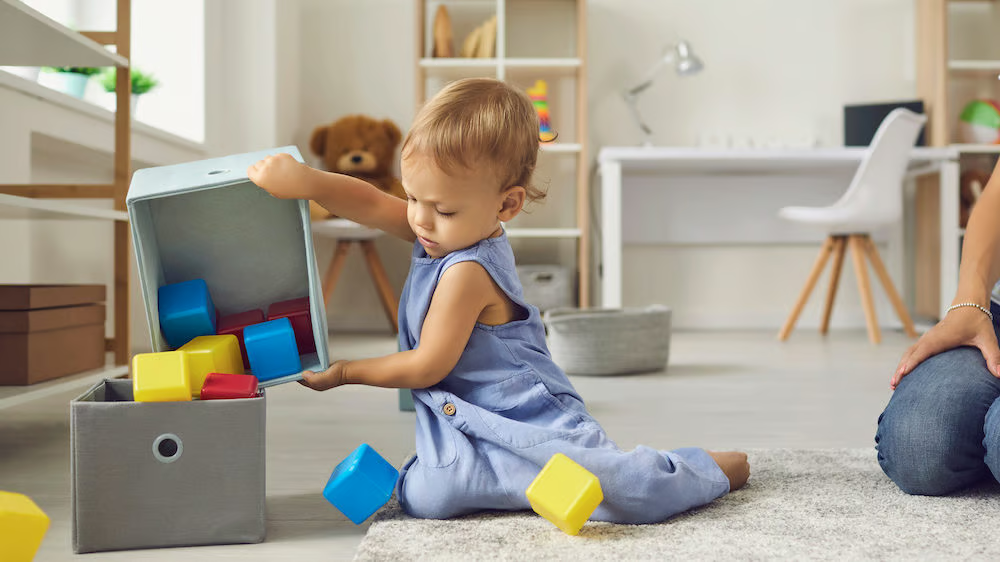
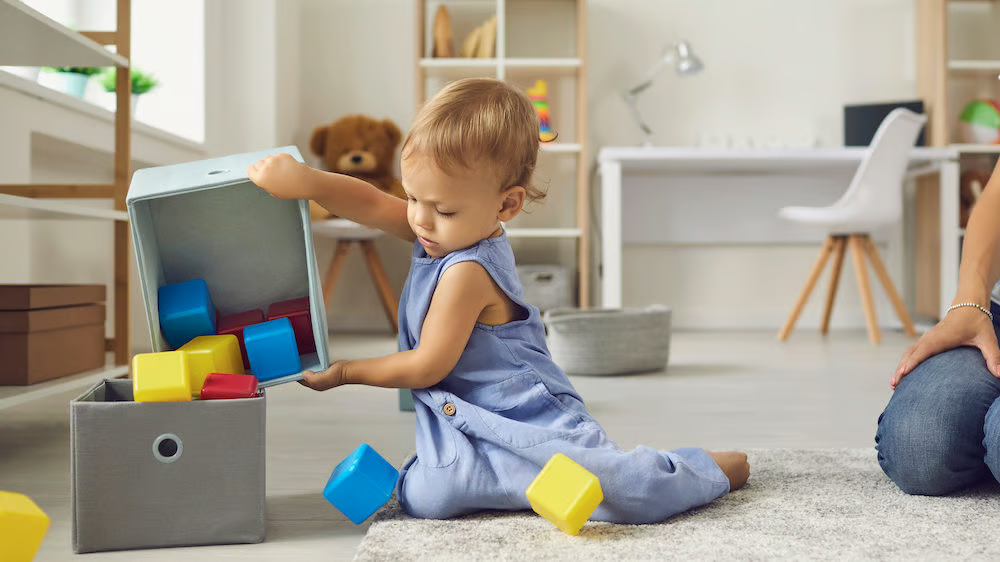
1. Putting toys back after playing
2. Carrying their own small backpack
3. Throwing trash into the bin
4. Helping set the table
5. Feeding a pet with supervision
At first, these tasks might be messy or slow. That’s normal. Learning always looks a little chaotic in the beginning.
The key is patience—letting children try without rushing in to fix everything.
Create an Environment That Supports Independence
Sometimes the biggest barrier to independence is simply that the world is built for adults.
A few simple adjustments can make a huge difference:
1. Use step stools so children can reach sinks
2. Store toys in easy-to-access bins
3. Hang jackets or bags on low hooks
4. Keep snacks in reachable containers
When children can access things on their own, they naturally begin taking more initiative.
It quietly tells them: This space belongs to you too.
Final Thoughts
Encouraging independence in young children isn’t about expecting perfection. It’s about creating space for growth.
Small moments—tying a shoe, pouring a drink, putting away toys—become stepping stones toward confidence.
With patience, guidance, and trust, children slowly learn one of life’s most important lessons: They are capable.
And sometimes, the greatest gift a caregiver can give is simply stepping back and watching a child discover what they can do. 🌱


