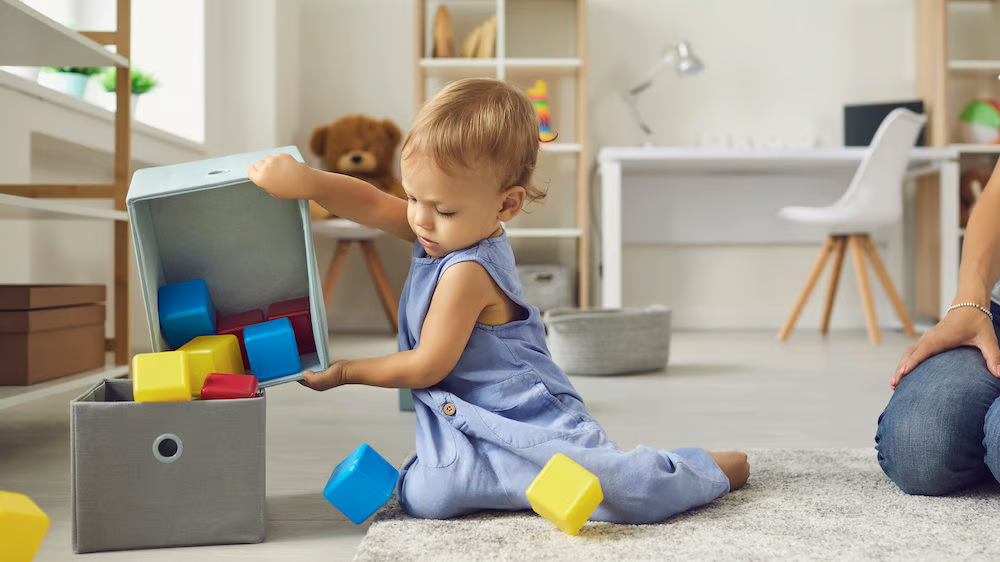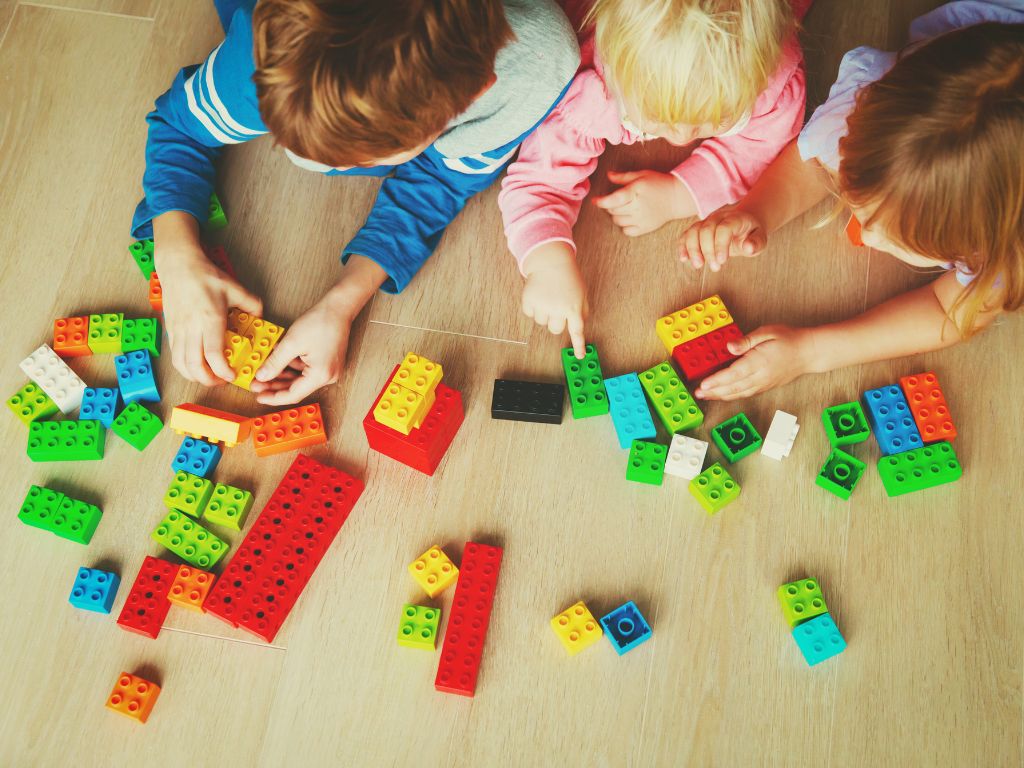
A child’s curiosity is a quiet spark—small, bright, and endlessly restless. It appears in the way they ask why about everything, how they examine a leaf like a tiny scientist, or stack blocks again and again just to see what happens when the tower falls. For young children, learning rarely begins with instruction. It begins with wonder. 🌱
In daycare environments that encourage exploration, curiosity becomes the doorway to discovery.
Curiosity Is the Beginning of Learning
Children are naturally wired to explore. Long before formal lessons, they learn simply by observing, touching, experimenting, and asking questions.
When a toddler pours water from one cup to another or watches an insect crawl across the ground, they are developing important cognitive skills. These moments teach them how the world works.
Through curiosity, children begin to:
Understand cause and effect
Build problem-solving skills
Strengthen memory and attention
Develop confidence in their ideas
What might look like simple play is often the foundation of deeper learning.
Exploration Builds Independence
When children are encouraged to explore their surroundings, they begin to trust their own abilities. A child who chooses a puzzle, experiments with paint colors, or builds a structure with blocks is practicing independent thinking.
Rather than being told exactly what to do, they learn to ask themselves questions such as:
What happens if I try this?
Can I build it taller?
What colors mix together?
This type of exploration strengthens creativity and decision-making—skills that benefit children far beyond the classroom.
The Role of Play in Discovery
Play is often the language of curiosity. Through play, children test ideas and explore possibilities in a way that feels natural and joyful.
Activities that encourage exploration may include:
Sensory play with sand, water, or textures
Building with blocks and construction toys
Outdoor exploration in nature
Art projects that allow creative freedom
Each activity gives children the chance to experiment, imagine, and discover new ways of thinking.
Supportive Guidance Makes a Difference
While exploration is child-led, supportive adults play an important role in guiding the learning process. Caregivers and teachers encourage curiosity by asking open-ended questions and providing opportunities for discovery.
Simple prompts like:
“What do you think will happen next?”
“Why do you think that worked?”
“Can you try another way?”
These questions invite children to think deeper and express their ideas.
Creating a Learning Environment That Inspires Curiosity
A daycare environment designed for exploration often includes spaces where children feel safe to experiment. Bright learning materials, creative toys, books, and nature-inspired activities all help spark curiosity.
Most importantly, children need the freedom to explore without fear of making mistakes. In these moments, learning becomes an adventure rather than a task.
Curiosity is the quiet engine of childhood learning. When children are given the space to explore, question, and discover, they begin building the skills that will shape their future—creativity, resilience, and a lifelong love of learning.
Sometimes, the smallest questions lead to the biggest discoveries. ✨