In the quiet, curious years of childhood—when questions tumble out faster than answers—something remarkable is happening inside a young mind. Every story read, every block stacked, every friendship formed becomes a building stone for the future. Early childhood education is not simply preparation for school; it is the foundation upon which a lifetime of learning, confidence, and emotional growth is built.
The Brain Develops Faster in Early Childhood
From birth to about age five, a child’s brain develops more rapidly than at any other time in life. During these early years, children form millions of neural connections that influence how they think, communicate, and interact with the world.
Quality early education programs nurture this development through structured play, guided learning, and meaningful interactions with teachers and peers. When children explore colors, shapes, stories, and songs, they are not merely playing—they are building the cognitive pathways that support future learning.
Social and Emotional Skills Begin Here
Early childhood education teaches much more than numbers and letters. It helps children learn how to:
Share and cooperate with others
Express emotions in healthy ways
Solve small conflicts
Develop empathy and kindness
These social and emotional skills are essential. A child who learns how to communicate feelings, work with peers, and build relationships will carry those abilities into school and later into adulthood.
Learning Through Play
Play is often misunderstood as simple entertainment, but in early education, it is a powerful learning tool. Through play-based learning, children develop creativity, curiosity, and problem-solving abilities.
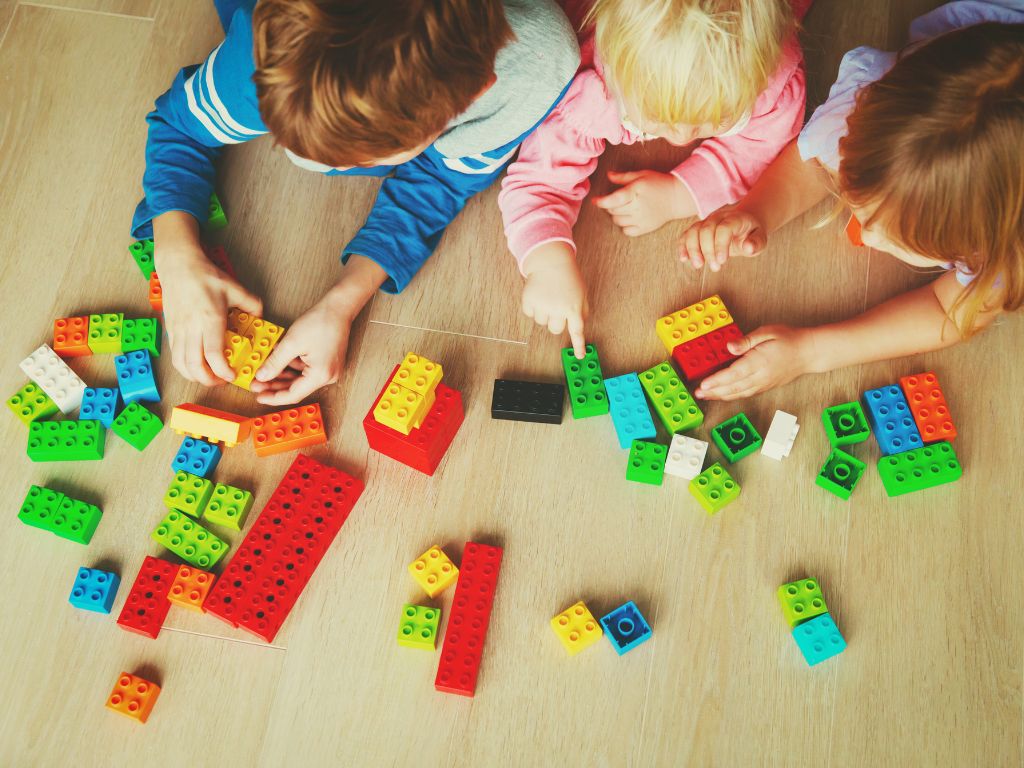
For example, building with blocks teaches spatial awareness and early math skills. Pretend play strengthens language development and imagination. Art activities encourage creativity while improving fine motor skills.
In a nurturing environment, play becomes a pathway to deeper understanding.
Building Confidence and Independence
Early education also helps children develop independence. Simple daily routines—washing hands, choosing activities, cleaning up toys—encourage responsibility and self-confidence.
Children begin to trust their abilities. They learn that mistakes are part of learning, not something to fear. Over time, this confidence helps them approach new challenges with curiosity rather than hesitation.
Preparing Children for Future Success
Research consistently shows that children who participate in quality early childhood education programs often perform better academically later in school. They tend to develop stronger language skills, better attention spans, and improved problem-solving abilities.
But the benefits go beyond academics. Early education helps children become adaptable, resilient, and eager learners—traits that support success in every stage of life.
The Role of Caring Educators
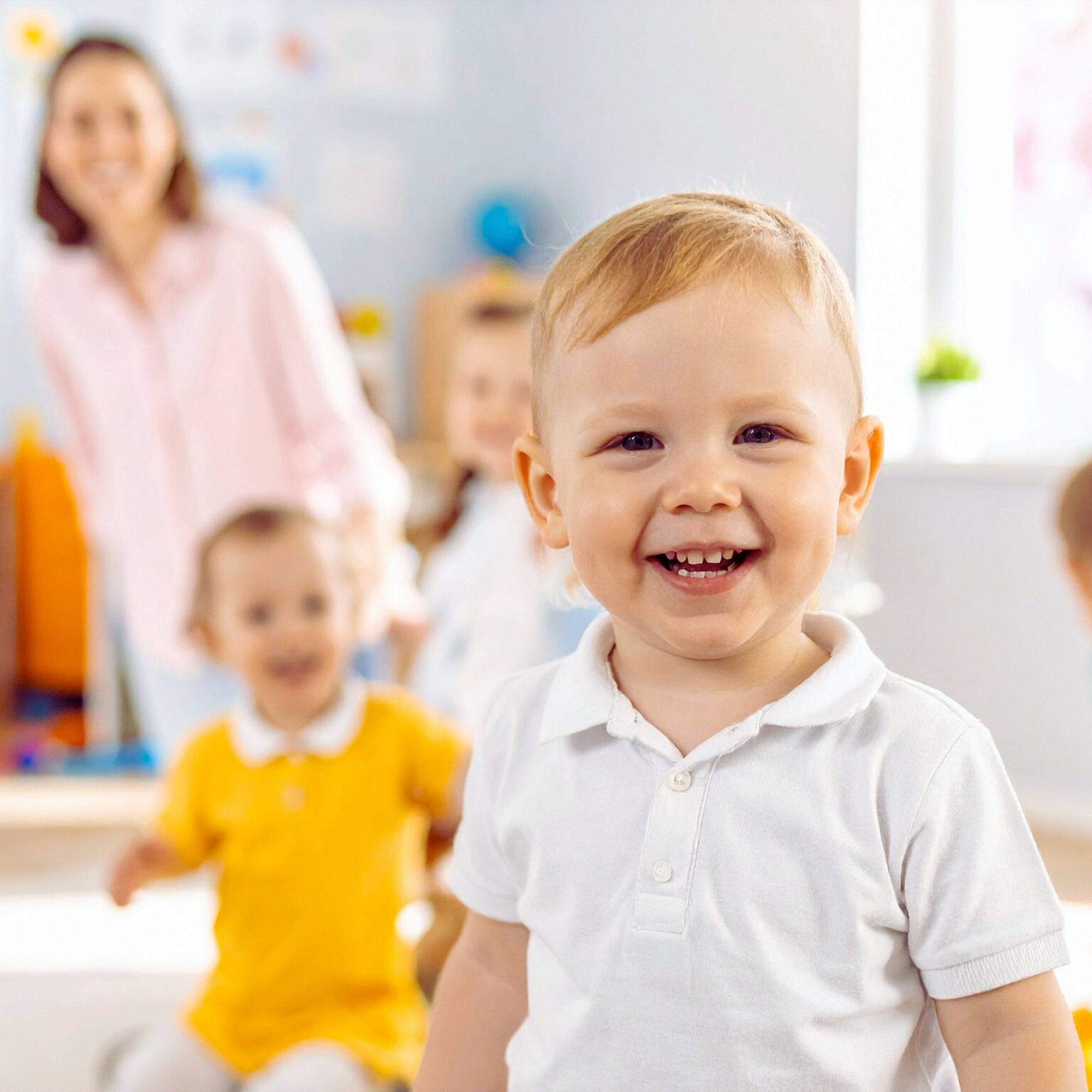
Behind every successful early learning environment are educators who understand how young minds grow. Teachers guide exploration, encourage curiosity, and create safe spaces where children feel valued and supported.
When children feel secure and encouraged, they are more willing to explore, ask questions, and develop a love for learning.
A Strong Start for a Bright Future
Early childhood education plants seeds that continue to grow for years to come. It nurtures the mind, strengthens emotional well-being, and sparks the joy of discovery.
When we invest in the early years, we are not only shaping confident learners—we are shaping thoughtful, capable individuals ready to contribute to the world around them.